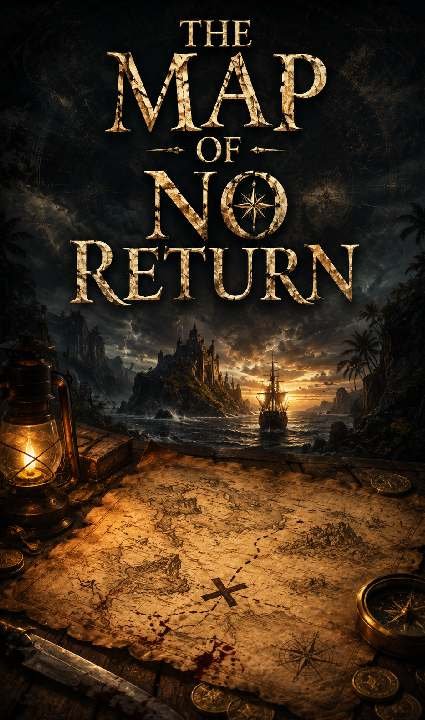
The Map of No Return
The Map of No Return follows a brilliant cartographer and a fearless jungle guide as they uncover a lost city and ancient secrets.
Chapter 1: The cartographer and the guide
Dr. Zara Voss saw the world in coordinates, elevation contours, and precisely calibrated instruments. As the Royal Geographic Society’s most decorated expedition cartographer, her purpose was to make the unknown knowable to reduce the terrifying chaos of unmapped wilderness into clean lines on paper that civilized people could trust. But standing at the edge of the Mazarún jungle in the sweltering heat of a Venezuelan afternoon, staring at a 400-year-old Conquistador map that showed a city no satellite had ever found, she realized her instruments were going to be useless here.
The expedition needed a miracle. Or worse, it needed Río Castillo.
Río was the most infuriating, most celebrated wilderness guide in three countries a man who had led seven expeditions into the deep Mazarún and brought every person back alive, despite keeping no journals, carrying no GPS, and apparently navigating entirely by the smell of the wind and some private conversation with the trees. When Zara arrived at the staging camp, she found him crouched over a patch of red clay at the jungle’s edge, studying a set of bootprints with the focused intensity of a scholar reading a rare manuscript.
“The Sandoval route is impassable this season,” he said, without looking up. “Flash floods have taken out the lower crossing. We go north along the ridge, drop into the valley at the third waterfall, and follow the dry riverbed southeast.”
Zara unrolled her map across a folding table. “The ridge adds three days and takes us through cartographically undefined territory,” she said. “The Sandoval route is documented. There is a bridge at the lower crossing per the 1987 survey.”
“The 1987 survey was wrong about the bridge in 1987,” Río said, finally standing. “The flood took it in 1991.” He glanced at her map. “Also, your contour lines on the eastern basin are off by about forty meters. Someone measured at the wrong season.”
Zara looked at him. Then at her map. In fifteen years of fieldwork, no one had ever told her her contour lines were wrong.
“I verified those measurements personally,” she said, very quietly.
“I know,” Río said. “You still measured at the wrong season.”
💬 Reviews
✨ Trending Stories
 The Cartographer of Small Things
 is a touching story about grief, memory, and finding meaning in life's quiet, overlooked moments.
The Cartographer of Small Things
The Cartographer of Small Things is a touching story about grief, memory, and finding meaning in life's quiet, overlooked moments.
 The Silence at No. 9
In The Silence at No. 9, a detective must uncover the truth behind a missing man before powerful enemies erase every clue.
The Silence at No. 9
In The Silence at No. 9, a detective must uncover the truth behind a missing man before powerful enemies erase every clue.
 The Wrong Door
When Nora finds her neighbour unconscious, The Wrong Door becomes a fast-paced thriller filled with secrets, danger, and betrayal.
The Wrong Door
When Nora finds her neighbour unconscious, The Wrong Door becomes a fast-paced thriller filled with secrets, danger, and betrayal.
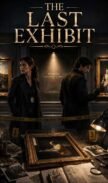 The Last Exhibit
Read The Last Exhibit, a gripping mystery where a detective and a master art forger uncover stolen masterpieces, hidden secrets, and a decades-old conspiracy.
The Last Exhibit
Read The Last Exhibit, a gripping mystery where a detective and a master art forger uncover stolen masterpieces, hidden secrets, and a decades-old conspiracy.
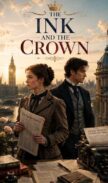 The Ink and the Crown
Read The Ink and the Crown, a historical romance where a fearless journalist and a disgraced lord uncover a dangerous conspiracy that could change Victorian England forever.
The Ink and the Crown
Read The Ink and the Crown, a historical romance where a fearless journalist and a disgraced lord uncover a dangerous conspiracy that could change Victorian England forever.
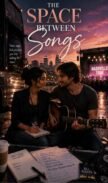 The Space Between Songs
Read The Space Between Songs, a heartfelt romance about a music publicist and a celebrated songwriter who discover love, healing, and second chances through music.
The Space Between Songs
Read The Space Between Songs, a heartfelt romance about a music publicist and a celebrated songwriter who discover love, healing, and second chances through music.