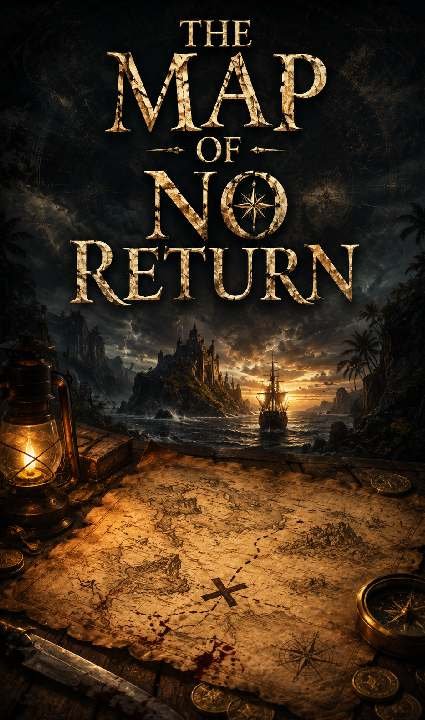
The Map of No Return
The Map of No Return follows a brilliant cartographer and a fearless jungle guide as they uncover a lost city and ancient secrets.
Chapter 3: What the map was always for
They found the city on day seventeen. A terrace wall swallowed by centuries of growth, then a carved column, then a plaza still level and true beneath its blanket of roots. The Conquistador map was right. And beneath the central temple, sealed for three hundred years, was an archive records of a civilization that had simply chosen not to be found.
The entrance was blocked by a counterweighted stone mechanism, still functional, requiring precise simultaneous pressure on two points twelve feet apart. Designed, unmistakably, for two people.
“Left side is primary,” Río said, studying the stonework. “Right side is the release. We push together, exactly together, or it resets and locks.”
“How do you know?” Zara asked.
“The left stone is three degrees off true. Someone adjusted it deliberately they wanted whoever found this to think like the people who built it.” He looked at her. “You decoded a 400-year-old map in two years. Think like them now.”
It was an immense risk. If the mechanism reset, there would be no second chance. Zara looked at the stonework, then at Río at a man who had never once navigated by a map she could verify, who had held her above a flood with his bare hands, who had spent seventeen days proving that knowledge and wisdom were not always the same instrument.
“On three,” she said.
She took the right side. He took the left. The count was steady, their voices overlapping in the jungle silence.
The stone exhaled a breath of ancient, preserved air and swung inward.
The archive was real. And without fully deciding to, Zara reached for Río’s hand in the dark, and he held it, and neither of them let go as they stepped into a room no living person had entered in three centuries.
Later, sitting at the threshold with the archive’s first pages spread between them and the jungle pressing warm and alive at their backs, Río drew something from his field pack a folded sheet, hand-drawn. The Mazarún, the ridge route, the flood, the temple. Annotated in his handwriting with things she had never seen recorded: the smell of upstream rain, the color of the canopy at the valley entrance, the root system that had held them both above the water. Everything he knew, given form on paper for the first time.
“So you have it,” he said quietly, “when I’m not next to you.”
Zara held the map carefully, the way she held things that could not be replaced. She looked at it for a long moment at the record of an intelligence she had spent seventeen days learning to trust and then looked up at him.
“There are fourteen more sites in this archive,” she said. “Come back to the field with me. Not as a guide. As a partner. I’ll decode the maps.” She held his gaze. “You read what’s between them.”
Río looked at her the woman who had arrived with precision instruments and walked out of the Mazarún knowing that the most important things could not be measured, only learned and the corner of his mouth moved in the way she had come to recognize as the closest he got to a wide-open smile.
“Our coordinates,” he said, “are already set.”
💬 Reviews
✨ Trending Stories
 The Cartographer of Small Things
 is a touching story about grief, memory, and finding meaning in life's quiet, overlooked moments.
The Cartographer of Small Things
The Cartographer of Small Things is a touching story about grief, memory, and finding meaning in life's quiet, overlooked moments.
 The Silence at No. 9
In The Silence at No. 9, a detective must uncover the truth behind a missing man before powerful enemies erase every clue.
The Silence at No. 9
In The Silence at No. 9, a detective must uncover the truth behind a missing man before powerful enemies erase every clue.
 The Wrong Door
When Nora finds her neighbour unconscious, The Wrong Door becomes a fast-paced thriller filled with secrets, danger, and betrayal.
The Wrong Door
When Nora finds her neighbour unconscious, The Wrong Door becomes a fast-paced thriller filled with secrets, danger, and betrayal.
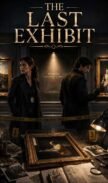 The Last Exhibit
Read The Last Exhibit, a gripping mystery where a detective and a master art forger uncover stolen masterpieces, hidden secrets, and a decades-old conspiracy.
The Last Exhibit
Read The Last Exhibit, a gripping mystery where a detective and a master art forger uncover stolen masterpieces, hidden secrets, and a decades-old conspiracy.
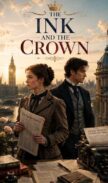 The Ink and the Crown
Read The Ink and the Crown, a historical romance where a fearless journalist and a disgraced lord uncover a dangerous conspiracy that could change Victorian England forever.
The Ink and the Crown
Read The Ink and the Crown, a historical romance where a fearless journalist and a disgraced lord uncover a dangerous conspiracy that could change Victorian England forever.
 The Space Between Songs
Read The Space Between Songs, a heartfelt romance about a music publicist and a celebrated songwriter who discover love, healing, and second chances through music.
The Space Between Songs
Read The Space Between Songs, a heartfelt romance about a music publicist and a celebrated songwriter who discover love, healing, and second chances through music.